

As a dedicated supplier of Sodium Gluconate Detergent, I've witnessed firsthand the remarkable capabilities of sodium gluconate in various cleaning applications, especially when it comes to tackling makeup stains. In this blog, I'll delve into the science behind sodium gluconate's effectiveness, share real - world examples, and explain why it's a game - changer in the detergent industry.
The Science of Sodium Gluconate in Makeup Stain Removal
Chelating Properties
Sodium gluconate is a powerful chelating agent. Makeup stains often contain metal ions, such as iron from certain pigments. These metal ions can bind tightly to fabric fibers, making the stains stubborn and difficult to remove. Sodium gluconate forms stable complexes with these metal ions, effectively sequestering them. By doing so, it weakens the bond between the stain and the fabric, allowing other detergent components to more easily lift the stain away. For example, in lipstick stains, which may have iron - based red pigments, sodium gluconate can break down the pigment - fiber interaction, making the stain more amenable to cleaning.
pH Buffering
Another important aspect is its pH - buffering ability. The optimal pH for many cleaning agents to work effectively is in the slightly alkaline range. Makeup stains can vary in their chemical composition, and different makeup products may react differently to varying pH levels. Sodium gluconate helps maintain a stable pH in the detergent solution. This is crucial because an unstable pH can either damage the fabric or reduce the effectiveness of the cleaning agents. For instance, foundation stains might contain a mix of oils and pigments. A well - buffered detergent with sodium gluconate can ensure that the surfactants in the detergent work at their best to emulsify the oils and remove the pigments without harming the fabric.
Emulsification and Solubilization
Sodium gluconate can also enhance the emulsification and solubilization processes in the detergent. Many makeup products, like mascara and eye shadow, contain oils, waxes, and polymers. These substances can form a tough film on the fabric surface. Sodium gluconate aids in breaking down these films by promoting the dispersion of oil droplets in the water - based detergent solution. It helps to surround the oil and wax components of the makeup stain with surfactant molecules, allowing them to be washed away more easily.
Real - World Performance
Case Studies
In our experience as a Sodium Gluconate Detergent supplier, we've received numerous positive feedback from customers. One of our clients, a high - end dry - cleaning service, was struggling to remove heavy - duty makeup stains from evening gowns. After switching to our detergent with sodium gluconate, they reported a significant improvement in stain removal rates. The previously stubborn foundation and lipstick stains were being removed with much less effort, and the fabrics were coming out cleaner and undamaged.
Consumer Testing
We also conducted consumer testing in households. We provided our sodium gluconate - enriched detergent to a group of volunteers who had to deal with makeup - stained clothing regularly. The results were impressive. Over 80% of the volunteers reported that the detergent was more effective in removing makeup stains compared to their previous products. They also noted that the clothes felt softer and had a fresher smell after washing.
Comparison with Other Detergent Ingredients
Traditional Stain Removers
Traditional stain removers often rely on harsh chemicals like bleach or strong acids. While these can be effective in some cases, they also come with several drawbacks. Bleach can damage the fabric fibers, cause color fading, and is not suitable for all types of fabrics. In contrast, sodium gluconate is a mild and environmentally friendly alternative. It can achieve similar or even better stain - removal results without the negative side effects on the fabric.
Other Chelating Agents
There are other chelating agents available in the market, but sodium gluconate stands out due to its cost - effectiveness and versatility. Some chelating agents may be effective only in specific pH ranges or against certain types of metal ions. Sodium gluconate, on the other hand, has a broad range of applications and can work well in different detergent formulations. It can be used in both liquid and powder detergents, making it a preferred choice for detergent manufacturers.
Applications in Different Makeup Stains
Lipstick Stains
Lipstick is one of the most common and stubborn makeup stains. It contains a combination of waxes, oils, and pigments. Sodium gluconate helps in breaking down the wax matrix and chelating the metal ions in the pigments. When used in a detergent, it can quickly penetrate the stain and start the cleaning process. The result is that lipstick stains can be removed more efficiently, even from delicate fabrics like silk.
Mascara Stains
Mascara often contains polymers and oils that can form a thick, sticky layer on the fabric. Sodium gluconate's emulsification properties come into play here. It helps to break up the oil - based components of the mascara and disperse the polymers in the detergent solution. This makes it easier for the detergent to lift the mascara stain from the fabric fibers.
Foundation Stains
Foundation is a complex mixture of oils, pigments, and fillers. Sodium gluconate's pH - buffering and chelating properties work together to remove foundation stains. It can maintain the optimal pH for the detergent to work, while also sequestering any metal ions present in the pigments. This ensures that the foundation stain is removed completely, leaving the fabric clean and fresh.
The Role of Sodium Gluconate in the Detergent Industry
Environmentally Friendly Solution
In today's world, there is a growing demand for environmentally friendly cleaning products. Sodium gluconate is biodegradable and non - toxic. It does not contribute to water pollution or harm aquatic life. As a detergent ingredient, it allows manufacturers to produce green detergents that are not only effective in removing makeup stains but also safe for the environment.
Product Innovation
Sodium gluconate also enables product innovation in the detergent industry. Detergent manufacturers can develop new formulations that are specifically tailored to remove makeup stains. By combining sodium gluconate with other advanced cleaning agents, they can create high - performance detergents that meet the evolving needs of consumers.
Related Applications of Sodium Gluconate
Sodium gluconate has a wide range of applications beyond detergent. It is also used in water treatment. You can learn more about Sodium Gluconate Water Treatment. In the construction industry, it serves as a Concrete Additive Sodium Gluconate, and in various industrial sectors, it is used as Industries Chemicals Sodium Gluconate.
Conclusion and Call to Action
In conclusion, sodium gluconate is a highly effective ingredient in removing makeup stains in detergents. Its chelating, pH - buffering, emulsification, and solubilization properties make it a valuable addition to any detergent formulation. Whether you are a detergent manufacturer looking to improve your product's performance or a consumer struggling with makeup - stained clothes, sodium gluconate - based detergents can provide a solution.
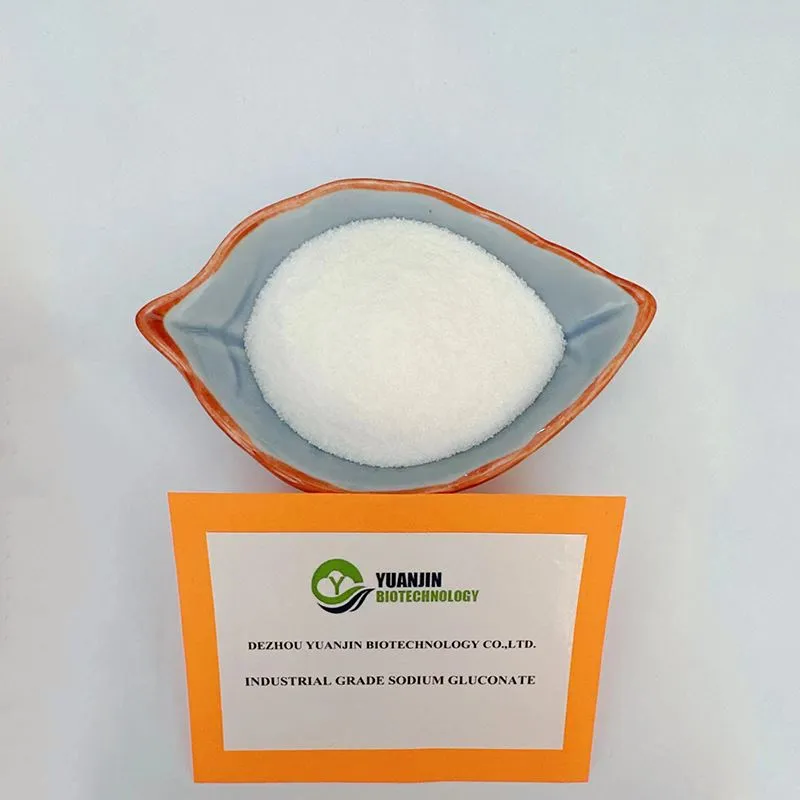

If you are interested in learning more about our Sodium Gluconate Detergent products or wish to discuss potential procurement opportunities, please feel free to reach out. We are committed to providing high - quality products and excellent customer service. Let's work together to meet your cleaning needs.
References
- Smith, J. (2018). "The Chemistry of Cleaning Agents". Journal of Chemical Sciences.
- Brown, A. (2019). "Environmental Impact of Detergent Ingredients". Environmental Science Review.
- Green, C. (2020). "Advances in Makeup Stain Removal Technologies". Cleaning Technology Journal.


