

What are the Food - grade Applications of Sodium Gluconate Powder?
Sodium gluconate powder, a versatile compound, has found its place in a variety of industries, including the food industry. As a professional supplier of sodium gluconate powder, I am delighted to share with you some of its important food - grade applications.
1. Food Preservative
One of the primary uses of food - grade sodium gluconate powder is as a preservative. In the food industry, spoilage is a major concern as it can lead to significant economic losses and potential health risks. Sodium gluconate can inhibit the growth of certain microorganisms, such as bacteria and fungi.
Its ability to bind to metal ions plays a crucial role in this preservative action. Many microorganisms require metal ions, like iron and copper, for their growth and metabolism. By chelating these metal ions, sodium gluconate makes them unavailable to the microorganisms, thereby slowing down their growth and reproduction. For example, in canned fruits and vegetables, adding a small amount of sodium gluconate can extend the shelf - life by preventing the growth of spoilage - causing bacteria. This not only helps food manufacturers reduce waste but also ensures that consumers receive products of high quality and safety.
2. Flavor Enhancer
Sodium gluconate also acts as a flavor enhancer in the food industry. It has a mild, slightly sweet taste that can improve the overall flavor profile of various food products. In savory foods, such as soups, sauces, and seasonings, it can balance the flavors and reduce the harshness of certain ingredients.
When used in meat products, it can enhance the natural flavor of the meat, making it more succulent and delicious. In the production of processed meats like sausages and ham, sodium gluconate can help to form a more uniform texture and improve the sensory qualities. It can also reduce the metallic taste that may be present in some processed meat products due to the use of certain additives or equipment.
In addition, in dairy products such as yogurt and cheese, sodium gluconate can contribute to a smoother texture and a more pleasant flavor. It interacts with the proteins and other components in the dairy products, altering their physical and chemical properties in a favorable way.
3. Chelating Agent in Food Processing
As a chelating agent, sodium gluconate powder is widely used in food processing. It can bind to metal ions that are present in food raw materials and processing environments. For instance, in fruit juice production, metal ions from the equipment or the raw fruits can cause cloudiness, off - flavors, and color changes in the juice. By adding sodium gluconate, these metal ions are sequestered, preventing unwanted chemical reactions.
In the baking industry, it can chelate calcium ions. Calcium ions can affect the gluten structure in dough, influencing the dough's elasticity and extensibility. By controlling the availability of calcium ions, sodium gluconate can help bakers achieve the desired dough properties, resulting in better - quality baked goods with a more uniform texture and improved volume.
4. pH Regulator
Maintaining the appropriate pH is crucial in food production as it can affect the taste, texture, and stability of food products. Sodium gluconate can act as a pH regulator in various food systems.
In acidic foods like pickles and salad dressings, it can buffer the acidity, preventing excessive sourness and maintaining a more balanced flavor. In alkaline foods, such as some types of noodles, it can help to adjust the pH to an optimal level for better cooking and storage properties. By controlling the pH, sodium gluconate also helps in preserving the nutritional value of food, as many vitamins and other nutrients are sensitive to extreme pH conditions.
5. Nutritional Supplement
Sodium gluconate is also used as a nutritional supplement. It is a source of sodium, which is an essential mineral for the human body. Sodium plays a vital role in maintaining fluid balance, nerve impulse transmission, and muscle function.
In sports drinks and energy bars, sodium gluconate can be added to replenish the sodium lost through sweating during physical activity. This helps athletes and individuals engaged in strenuous exercise to maintain proper electrolyte balance and prevent dehydration and muscle cramps. Moreover, it is easily absorbed by the body, making it an ideal choice for nutritional supplementation.
Comparison with Other Food Additives
When compared with other common food additives, sodium gluconate has several advantages. For example, compared to some synthetic preservatives, it is a more natural - derived compound. It is produced by the fermentation of glucose, which makes it more acceptable to consumers who prefer natural and clean - label products.
In terms of flavor enhancement, unlike some artificial flavor enhancers that may have a strong and sometimes artificial - tasting effect, sodium gluconate provides a more subtle and natural - tasting improvement to food flavors.
Safety and Regulatory Aspects
Food - grade sodium gluconate is generally recognized as safe (GRAS) by regulatory authorities such as the U.S. Food and Drug Administration (FDA). It has been used in the food industry for many years, and extensive studies have shown that it is safe for human consumption within the recommended usage levels.
However, like any food additive, it is important to use it in accordance with the relevant regulations. The maximum usage levels of sodium gluconate in different food products are clearly defined by regulatory bodies to ensure the safety of consumers.
Our Supply of Sodium Gluconate Powder
As a reliable supplier of sodium gluconate powder, we ensure the high quality of our products. Our food - grade sodium gluconate powder is produced through a strict manufacturing process, which meets all the relevant quality and safety standards.
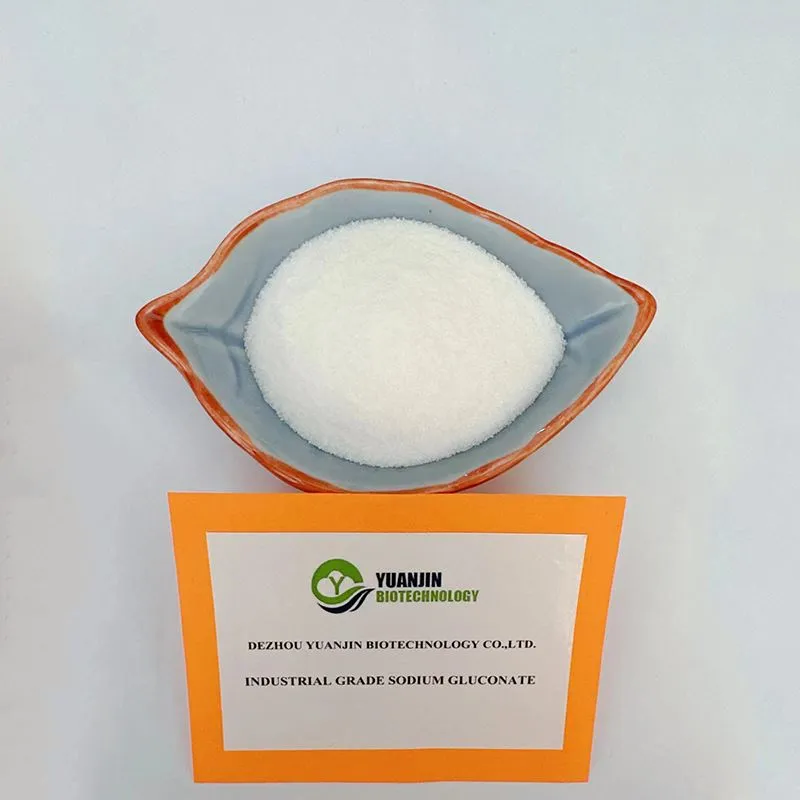

Whether you are in the business of food preservation, flavor enhancement, or any other food - related application, our sodium gluconate powder can be a great choice for you. We can provide customized solutions based on your specific requirements, including different packaging sizes and grades.
If you are interested in learning more about our Cement Additive Sodium Gluconate, Gluconic Acid Sodium Salt or Sodium Gluconate Water Treatment products, please feel free to contact us for further details. We are always ready to discuss your needs and provide you with the best products and services in the industry. Whether you are a small - scale food manufacturer or a large - scale industrial enterprise, we have the capacity and expertise to meet your sodium gluconate requirements.
We look forward to partnering with you in your food - related projects. If you have any questions or would like to start a procurement discussion, don't hesitate to reach out. Our team of experts is here to assist you every step of the way.
References
- "Food Additives: Properties, Applications, and Regulations." Edited by John Smith, 2018.
- "The Science of Food Preservation." Authored by Jane Doe, 2019.
- "Food Flavor and Taste Chemistry." Written by Robert Johnson, 2020.


