

As a supplier of Food Grade Sodium Gluconate, I am often asked about the moisture absorption property of this versatile compound. In this blog post, I will delve into the details of what moisture absorption is, why it matters for food grade sodium gluconate, and how it impacts its various applications.
Understanding Moisture Absorption
Moisture absorption, also known as hygroscopy, refers to the ability of a substance to attract and hold water molecules from the surrounding environment. This property is influenced by several factors, including the chemical structure of the substance, temperature, and relative humidity. Substances with high moisture absorption can take up significant amounts of water, which can affect their physical and chemical properties.
Moisture Absorption of Food Grade Sodium Gluconate
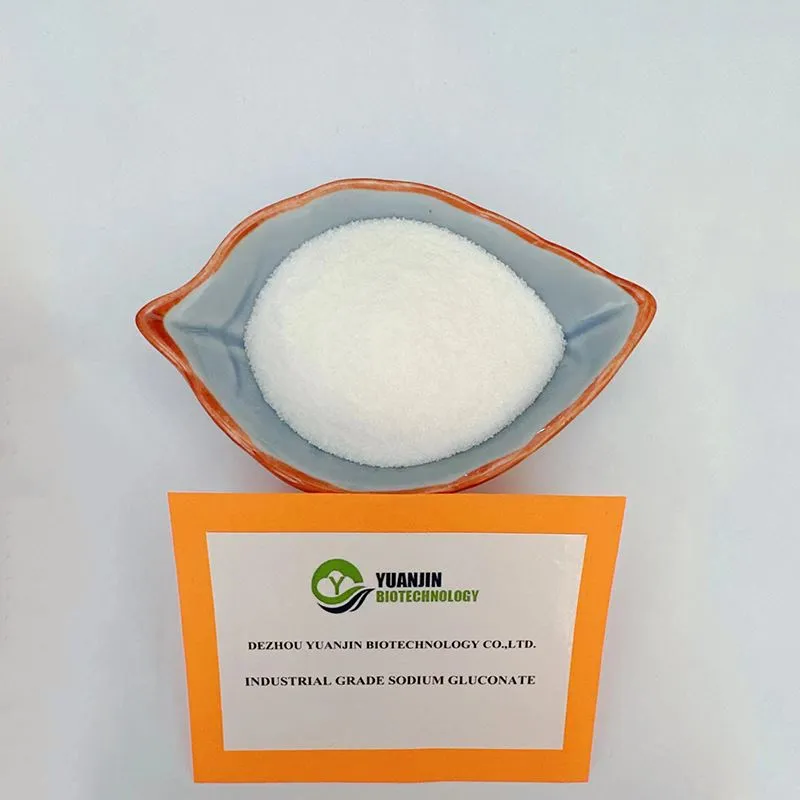
Food grade sodium gluconate is a white to off - white crystalline powder that is highly soluble in water. It has a certain degree of moisture absorption property. The hydroxyl groups (-OH) in its molecular structure are polar and can form hydrogen bonds with water molecules. This allows it to attract and retain water from the air.
Under normal environmental conditions (around 20 - 25°C and 40 - 60% relative humidity), food grade sodium gluconate will gradually absorb a small amount of moisture. However, the rate of moisture absorption is relatively slow compared to some other highly hygroscopic substances. When the relative humidity is high, say above 70%, the moisture absorption rate will increase.
Why Moisture Absorption Matters for Food Grade Sodium Gluconate
1. Storage and Shelf - Life
Moisture absorption can have a significant impact on the storage and shelf - life of food grade sodium gluconate. When it absorbs too much moisture, it may clump together, which can make it difficult to handle and measure accurately. Moreover, the presence of excess moisture can promote the growth of microorganisms, reducing the quality and safety of the product. Therefore, proper storage conditions, such as keeping it in a dry and cool place, are crucial to prevent excessive moisture absorption.

2. Food Applications
In the food industry, food grade sodium gluconate is used as a sequestrant, pH regulator, and flavor enhancer. Moisture absorption can affect its performance in these applications. For example, if it has absorbed a large amount of moisture, its solubility and reactivity may change, which can in turn affect the taste, texture, and stability of the food products. Maintaining its low - moisture state ensures consistent quality in food processing.
3. Other Applications
Apart from food applications, food grade sodium gluconate also has uses in other fields. For instance, in Sodium Gluconate Water Treatment, it can act as a chelating agent to remove metal ions from water. Moisture - induced changes in its properties can affect its chelating efficiency. In Superplasticizer For Concrete Sodium Gluconate, it can improve the workability and strength of concrete. Excessive moisture absorption may lead to changes in its chemical behavior, thereby influencing the performance of the concrete.
Controlling Moisture Absorption
To control the moisture absorption of food grade sodium gluconate, several measures can be taken.
1. Packaging
Using proper packaging materials is essential. High - density polyethylene (HDPE) bags or sealed containers can provide a good barrier against moisture. Vacuum packaging can also be an effective way to reduce the contact between the product and the surrounding air, minimizing moisture absorption.
2. Desiccants
Adding desiccants such as silica gel packets to the packaging can help absorb any excess moisture that may enter. This can extend the shelf - life of the product and maintain its quality.
3. Storage Conditions
Storing the product in a dry warehouse with controlled temperature and humidity is crucial. The ideal storage temperature is around 20 - 25°C, and the relative humidity should be kept below 60%.
How Our Company Ensures Quality in Relation to Moisture Absorption
As a supplier of Food Grade Sodium Gluconate, we pay great attention to the moisture absorption property of our products. Our production process is designed to produce high - quality sodium gluconate with low initial moisture content.
We use advanced packaging technology to ensure that the product is well - protected during transportation and storage. Our quality control team regularly tests the moisture content of the product to ensure that it meets the required standards. By strictly controlling these factors, we can provide our customers with a stable and high - quality product.
Conclusion
The moisture absorption property of food grade sodium gluconate is an important aspect that affects its storage, performance, and quality. Understanding this property and taking appropriate measures to control it is essential for both suppliers and users.
If you are interested in purchasing high - quality food grade sodium gluconate, we are here to provide you with the best products and services. Whether you need it for food applications, water treatment, or concrete superplasticizers, our products can meet your requirements. Contact us for more information and to start a procurement negotiation.
References
- Handbook of Food Additives, Third Edition
- Journal of Chemical and Engineering Data: Studies on the Hygroscopic Properties of Organic Salts
- Concrete Admixtures Handbook: Properties, Science, and Technology


