

What is the taste of sodium gluconate?
Sodium gluconate, a compound that has found its way into various industries, is often a topic of interest not only for its functional properties but also for the curiosity about its basic sensory characteristics. As a leading supplier of Gluconato De Sodio, I am frequently asked about the taste of this versatile chemical. In this blog, we will explore what sodium gluconate tastes like, its applications in different industries, and why it matters.
The Taste of Sodium Gluconate
Sodium gluconate has a mild, slightly sweet taste. It is not as intensely sweet as common table sugar (sucrose), but the sweetness is noticeable. This mild sweetness makes it an acceptable additive in some food applications where a gentle sweetening effect is desired without overpowering the other flavors of the product. The taste is also relatively clean, without any strong or unpleasant after - tastes.
When tasted in its pure form, in a small quantity dissolved in water, one can detect a sweetish note that is more subdued compared to other sweeteners. This characteristic is due to its chemical structure. Sodium gluconate is the sodium salt of gluconic acid, which is a polyhydroxy acid. The hydroxyl groups in its structure can interact with taste receptors on the tongue, triggering a sweet taste perception.
Applications and the Role of Taste
Food Industry
In the food industry, the taste of sodium gluconate plays a significant role. It is used as a food additive, often as a sequestrant, pH regulator, and flavor enhancer. For example, in some processed foods, it can chelate metal ions, preventing oxidation and spoilage, while its mild sweet taste can contribute to the overall flavor profile of the product. It can be found in dairy products, baked goods, and beverages. In dairy products, it can help maintain the texture and stability, and its sweet taste can complement the natural flavors of milk and cream. In baked goods, it can improve the dough's workability and the final product's shelf - life, and the subtle sweetness can add to the palatability.
Pharmaceutical Industry
In the pharmaceutical field, the taste of sodium gluconate is also important. It is used in some oral medications as an excipient. An excipient is a substance that is included in a medication formulation to provide bulk, improve stability, or aid in the delivery of the active ingredient. Since these medications are meant to be swallowed, a pleasant taste can improve patient compliance, especially for pediatric and geriatric patients. The mild sweet taste of sodium gluconate can make the medication more acceptable to those who may be sensitive to bitter or unpleasant - tasting drugs.
Industrial Applications
Beyond the food and pharmaceutical industries, sodium gluconate has extensive industrial applications. In the Sodium Gluconate Water Treatment, it is used as a scale inhibitor and a corrosion inhibitor. Although taste is not a direct concern in water treatment, its chemical properties that are related to its taste - such as its ability to chelate metal ions - are crucial. It can prevent the formation of scale on pipes and equipment, ensuring the efficient operation of water treatment systems.
In the construction industry, Concrete Retarder Sodium Gluconate is widely used. It acts as a retarder, which slows down the setting time of concrete. This allows for more time to place and finish the concrete, especially in large construction projects. The use of sodium gluconate in Construction Industries Sodium Gluconate is based on its chemical reactivity rather than its taste, but its purity and quality are essential for achieving the desired performance in concrete.
Quality and Purity Affecting Taste
The taste of sodium gluconate can be affected by its quality and purity. High - purity sodium gluconate will have a more consistent and clean taste. Impurities in the product can introduce off - flavors or change the intensity of the sweet taste. As a supplier of Gluconato De Sodio, we ensure that our products meet the highest quality standards. We use advanced manufacturing processes and strict quality control measures to produce sodium gluconate with a uniform and pleasant taste. This is important not only for applications where taste is a direct concern, such as in the food and pharmaceutical industries but also for industrial applications where high - quality products are required for optimal performance.
Safety and Regulatory Considerations
Sodium gluconate is generally recognized as safe (GRAS) by the U.S. Food and Drug Administration (FDA) and other regulatory bodies around the world. This means that it can be used in food and other applications within specified limits. The safety of sodium gluconate is well - established, and its taste is one of the many characteristics that make it a valuable compound in various industries. When using sodium gluconate, it is important to follow the regulations and guidelines to ensure its proper and safe use.
Conclusion
The taste of sodium gluconate, a mild and slightly sweet flavor, is just one aspect of this versatile compound. It has far - reaching applications in the food, pharmaceutical, water treatment, and construction industries. As a supplier of Gluconato De Sodio, we understand the importance of providing high - quality products that meet the diverse needs of our customers. Whether you are in the food industry looking for a flavor enhancer or in the construction industry needing a reliable concrete retarder, our sodium gluconate can deliver the performance you require.

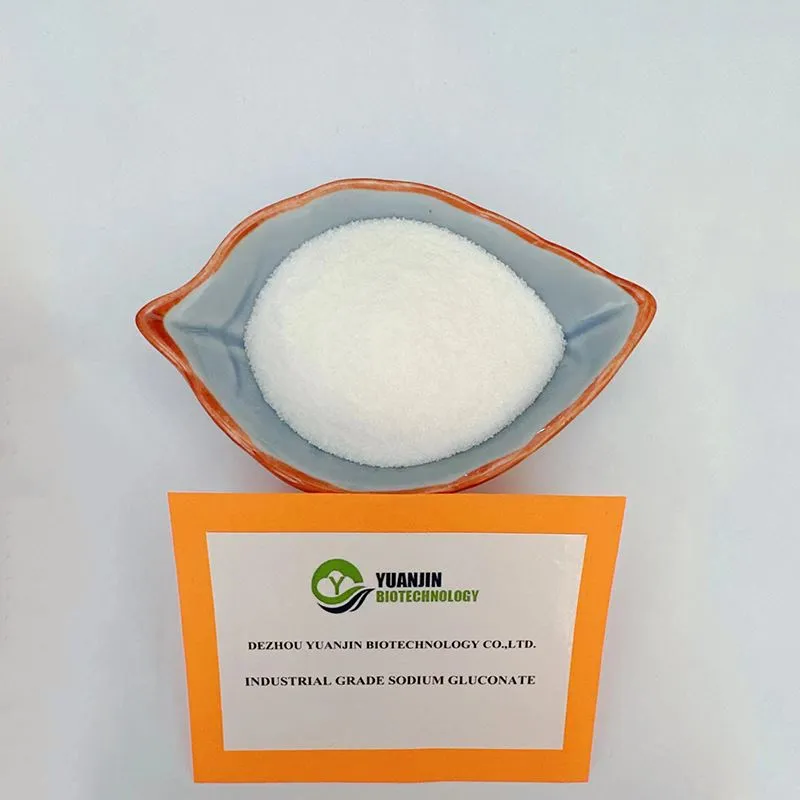
If you are interested in learning more about our sodium gluconate products or would like to discuss a potential purchase, please feel free to contact us. We are ready to assist you in finding the right solution for your specific needs.
References
- "Handbook of Food Additives" by A. L. Branen, P. M. Davidson, and S. Salminen
- "Pharmaceutical Excipients: Properties, Function, and Applications" by R. C. Rowe, P. J. Sheskey, and S. C. Owen
- "Concrete Admixtures Handbook: Properties, Science, and Technology" by V. S. Ramachandran, J. Beaudoin, and J. Aitcin


